History
CUSP History is designed to help all our children build long-lasting knowledge, vocabulary and critical thinking skills. Children learn to think, question and analyse like real historians.
The curriculum is structured so that learning from previous years directly connects to new topics, enabling the children to make a clear link between all History units covered.
History SCheme of Work
History is taught by:
Explicit Vocabulary - Lessons focus heavily on relevant vocabulary. These are broken down into two tiers. Tier 2 focuses on high frequency words, such as 'consequence’ and ‘chronology’. Tier 3 focuses on subject specific words, such as ‘empire’ and ‘civilisation’.
Knowledge Organisers - Children are given visual study guides that combine words and simple illustrations to help them process and store information easily.
Working and thinking historically - Instead of just reading facts, children look at historical sources, evaluate evidence, identify cause and effect and debate different perspectives.
Assessment
CUSP History assesses what children can remember over time by:
Retrieval Practice - Children do quick, frequent quizzes at the start of lessons to assess their understanding of prior knowledge.
Working Walls - All classrooms have working walls which grow week by week. They track learning as the unit progresses, rather than just displaying finished pieces of work.
Core Task Evaluations - Children complete a short piece of historical writing, analyse a source or answer a big historical question.
National Curriculum requirements
In KS1, children will be taught the main curriculum objectives:
Changes within living memory.
Events beyond living memory.
Significant historical events, people and places in their own locality.
In KS2, children will be taught the main curriculum objectives:
Changes in Britain from the Stone Age to the Iron Age.
The Roman Empire and its impact on Britain.
Ancient Greece.
Comparing Anglo-Saxons with Maya and Benin.
Beyond 1066 - Windrush Generation and the Battle of Britain.
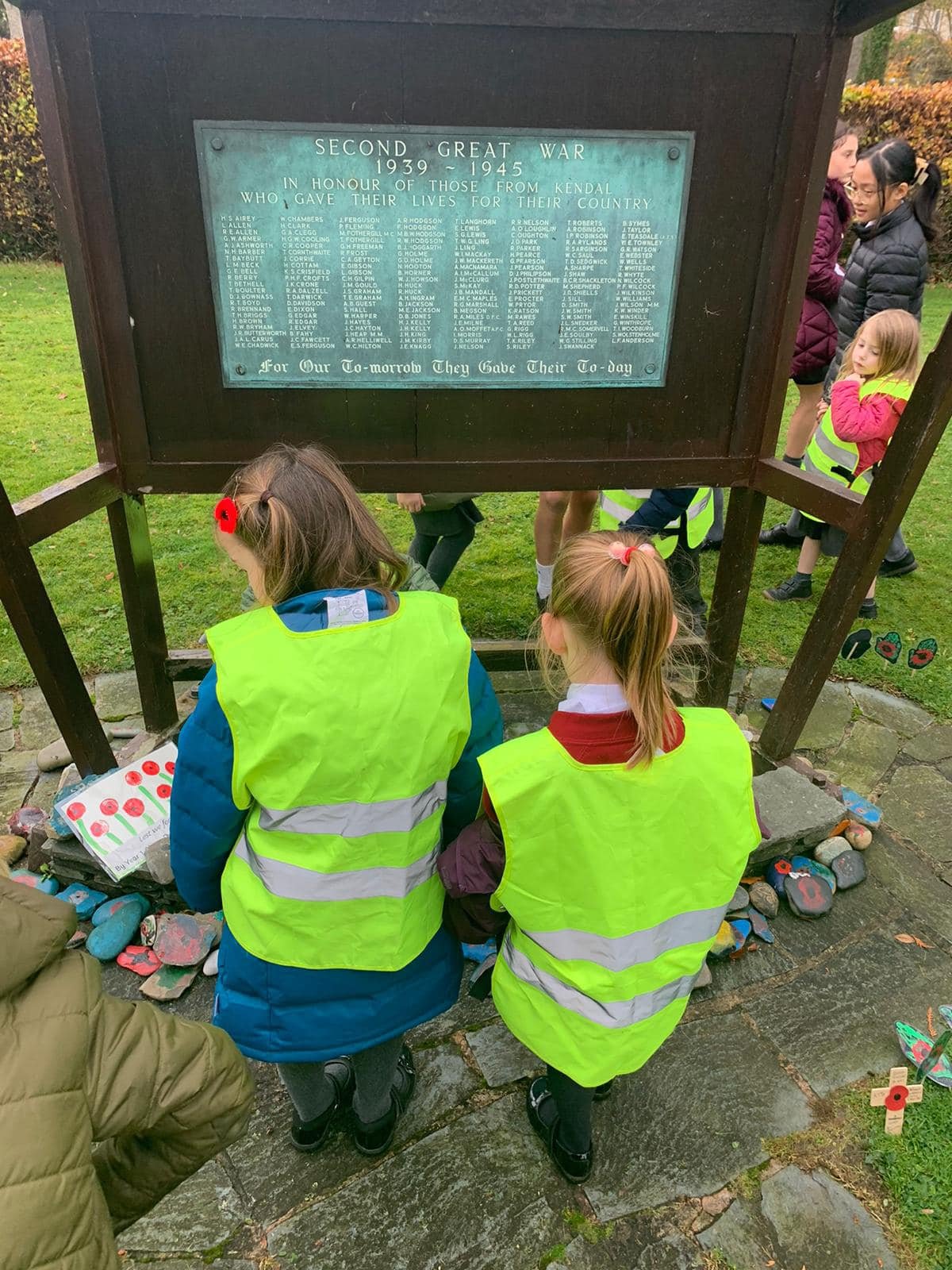
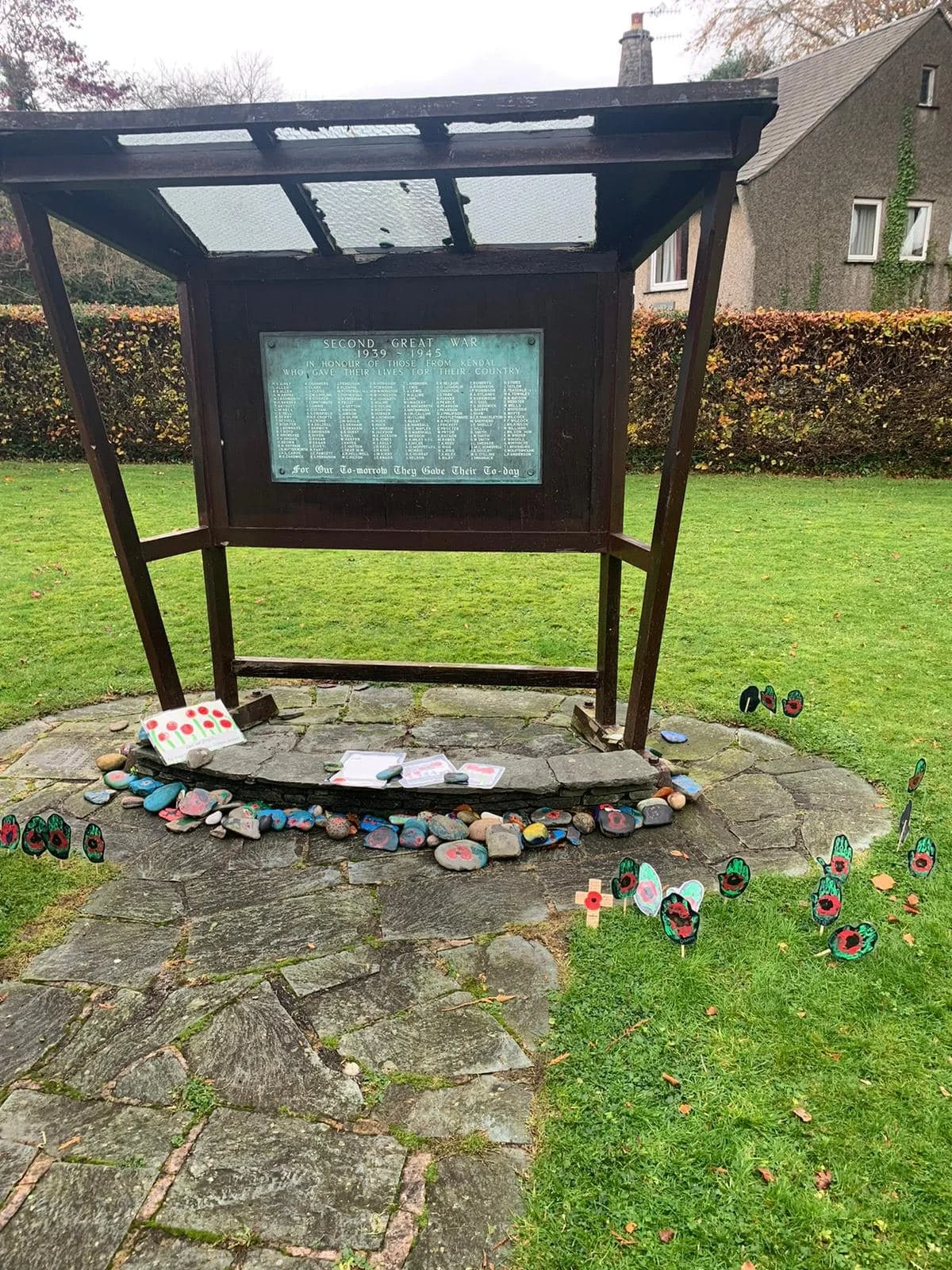
A local History study - How did conflict change our locality in World War 2?
British Monarchs.
“History is things that have happened a long time ago, looking back so many years, it’s like you’re actually in the year.”